
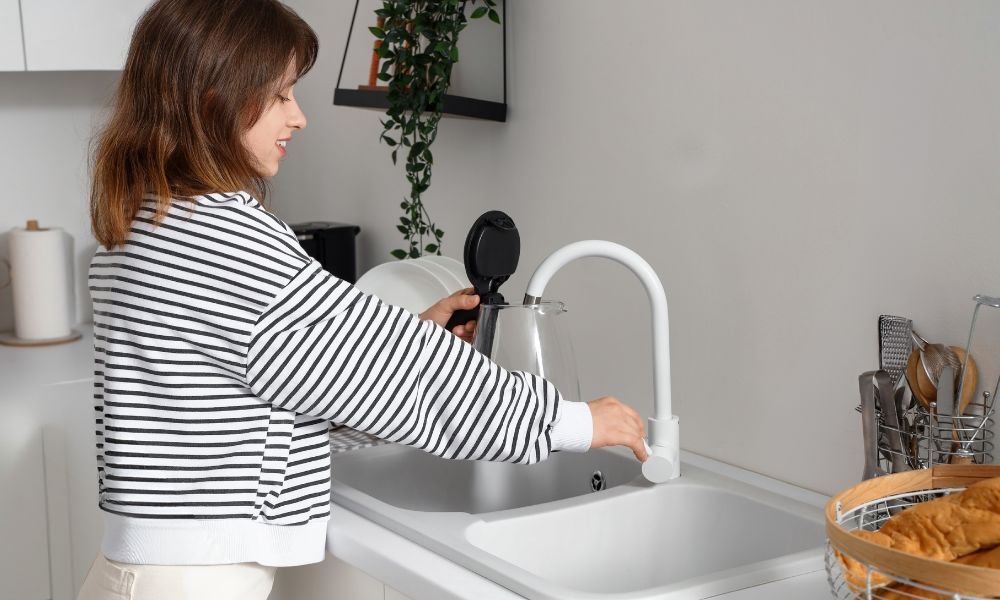
A blender is one of the most useful appliances in a kitchen. From smoothies and sauces to soups and shakes, it can handle many everyday tasks. But after blending, food particles often remain around the blades, lid, and container. If the blender is not cleaned properly, it can develop unpleasant smells and become difficult to use.The good news is that you do not need expensive cleaners or complicated equipment. With warm water, a little dish soap, and a few minutes, you can keep your blender fresh and ready for the next use.
Why Regular Blender Cleaning Matters
Cleaning your blender after each use is important for both hygiene and performance. Leftover food can dry around the blade assembly and become harder to remove later.Regular cleaning also helps prevent odors. Ingredients such as garlic, onions, dairy products, and protein shakes can leave strong smells behind. A quick wash after blending makes a big difference.
What You Need Before Cleaning
Before you start, gather a few basic items:
- Warm water
- Mild dish soap
- A soft sponge or cloth
- A small cleaning brush or old toothbrush
- A clean towel
- Baking soda for stubborn odors
Avoid using harsh chemicals unless the manufacturer’s instructions specifically recommend them. Strong cleaners may damage certain plastic or rubber components.
Unplug the Blender First
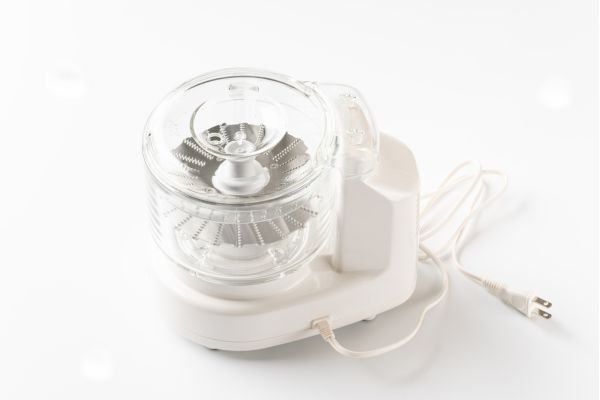
Safety should always come first. Turn off the appliance and unplug it from the electrical outlet before cleaning.Never put your hands near the blades while the blender is connected to power. Even when the appliance looks switched off, it is better to disconnect it completely.
If the blender has a removable blade assembly, handle it carefully because the blades can be extremely sharp.
Remove Leftover Food
Start by emptying the blender jar completely. Use a silicone spatula to remove thick mixtures that are stuck to the sides.Do not scrape directly against sharp blades with your fingers. If food is trapped underneath the blade area, use a soft brush instead.Removing large food particles first makes the rest of the cleaning process much easier.
How to Clean a Blender With Soap and Water
For everyday cleaning, the easiest method is the soap-and-water technique.
First, add some warm water to the blender jar. You do not need to fill it completely. Add a few drops of mild dish soap, place the lid securely on top, and make sure everything is properly closed.Plug the appliance back in only if your manufacturer’s instructions allow this cleaning method. Run the blender at a low speed for around 20–30 seconds.
The moving soapy water can loosen food stuck around the sides and beneath the blades.Afterward, unplug the blender again, pour out the dirty water, and rinse the jar thoroughly with clean water.
Wash the Lid and Other Removable Parts
The lid can collect food splashes and liquid around its edges. Remove any detachable parts and wash them separately.Use warm soapy water and a soft sponge to clean the lid. Pay special attention to grooves, seals, and small openings where food may become trapped.
If your blender has a removable gasket or seal, check the manufacturer’s instructions before taking it apart. Some parts are designed to be removed, while others should stay in place.
Cleaning Around the Blades
The blade area requires extra care. Food can become stuck underneath or around the cutting edges.If the blade assembly is removable, follow the manufacturer’s instructions for taking it out. Wash it carefully with warm water and mild soap.For fixed blades, use a small brush to reach difficult areas. Keep your fingers away from the cutting edges.
Never assume that because a blender looks clean, the area beneath the blades is clean too. This hidden space is one of the most common places for food residue to remain.
How to Remove Bad Smells
Sometimes washing with dish soap is not enough to eliminate a strong odor. Baking soda can help freshen the container.Mix a small amount of baking soda with warm water and leave the solution in the jar for several hours or overnight. Then rinse it thoroughly.For persistent smells, repeat the process rather than using strong chemicals that could damage the blender.
Remember that some plastic containers naturally hold onto odors more than glass containers.
Cleaning Stubborn Dried Food
If food has dried inside the jar, do not immediately start scrubbing aggressively. Instead, fill the container with warm water and let it soak for 15–30 minutes.The water will soften the residue, making it much easier to remove.After soaking, use a soft sponge or brush to clean the affected areas. For stubborn spots around the blade assembly, a small brush can provide better access than a large sponge.
Cleaning the Blender Base
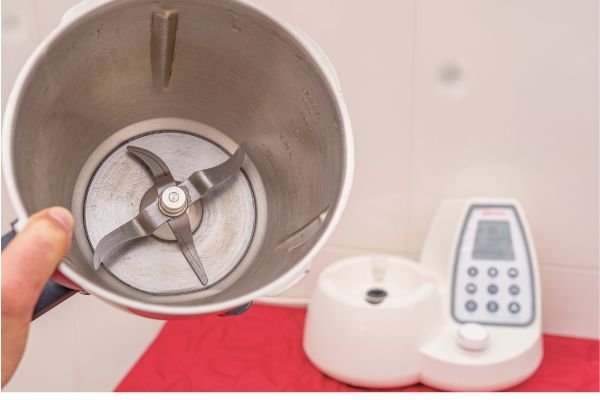
The motor base should never be submerged in water. This part contains electrical components and should be treated differently from the jar.Unplug the appliance and wipe the base with a slightly damp cloth. If food or liquid has collected around the buttons, clean the area gently.
After wiping, use a dry cloth to remove moisture. Avoid allowing water to enter the motor housing, switches, or electrical openings.
Rinse and Dry Everything Properly
After washing, rinse the blender jar and removable components thoroughly. Soap residue can affect the taste of your next smoothie or drink.Dry the parts with a clean towel or place them somewhere with good airflow to air-dry.If possible, leave the jar upside down while it dries. Make sure every part is completely dry before storing or assembling the blender again.
Common Cleaning Mistakes to Avoid
A few simple mistakes can shorten the life of your appliance.
Do not place the motor base in the sink or dishwasher. Do not use abrasive scrubbers that can scratch the container. Avoid putting parts in the dishwasher unless the manufacturer says they are dishwasher-safe.Another common mistake is ignoring the gasket and blade area. These small components can collect residue even when the main container looks spotless.
Most importantly, never put your hands directly into the blender while cleaning.
How Often Should You Clean a Blender?
A blender should ideally be cleaned after every use. Fortunately, daily cleaning does not have to take long.For a quick cleanup, rinse the container immediately after blending and use warm water with a small amount of dish soap. A deeper cleaning can be done when necessary, especially after preparing sticky, oily, or strongly flavored foods.
If you use your blender frequently, inspect the seals, blades, and lid regularly for buildup.
Tips for Keeping Your Blender Fresh
A few habits can make cleaning much easier:
- Rinse the jar soon after use.
- Do not allow food to dry around the blades.
- Clean the lid and seal regularly.
- Use only suitable cleaning products.
- Dry all parts before storage.
- Follow the manufacturer’s care instructions.
- Check removable components for hidden residue.
These small steps can help your blender stay cleaner and perform better for longer.
Final Thoughts
Learning how to clean a blender does not require much time or effort. For everyday messes, warm water and mild dish soap are usually enough. More stubborn residue may need soaking, gentle brushing, or a baking soda solution.The key is consistency. Cleaning the appliance immediately after use prevents food from drying and keeps unpleasant smells from developing. With proper care and safe handling, your blender can remain fresh, clean, and ready for your next smoothie, sauce, or meal.