
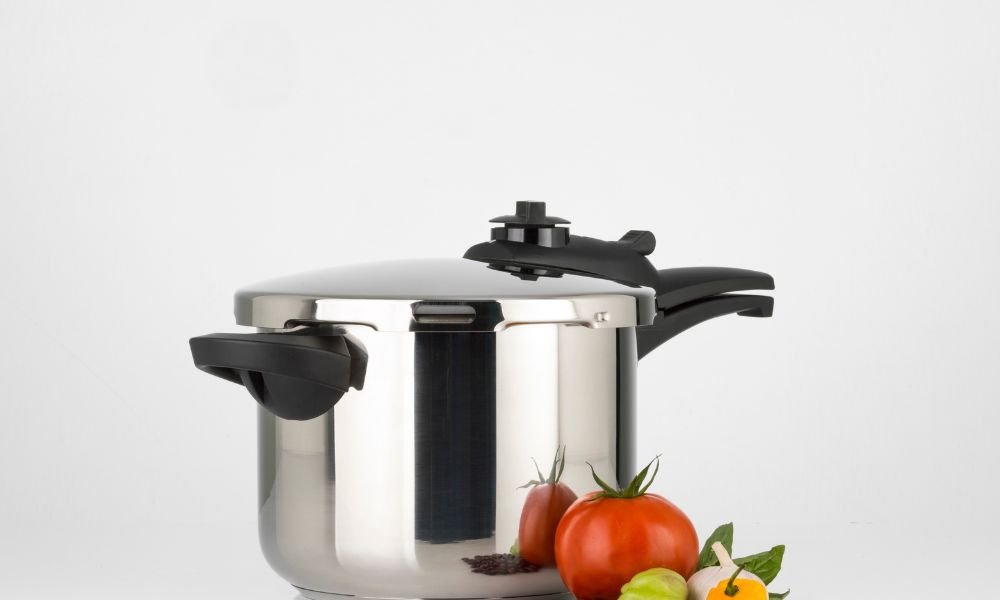
A pressure cooker can make cooking much faster and easier. Foods that normally take a long time to soften, such as beans, meat, potatoes, and lentils, can often be prepared in a fraction of the usual cooking time. However, using one for the first time may feel a little confusing.
The good news is that once you understand the basic parts and a few safety rules, a pressure cooker is quite simple to operate. This guide explains how to use a pressure cooker safely and effectively, even if you have never used one before.
Understand How a Pressure Cooker Works
A pressure cooker cooks food using steam trapped inside a sealed pot. As the liquid heats, it produces steam and increases the pressure inside the cooker. The higher pressure raises the cooking temperature, helping food cook more quickly.
Modern pressure cookers usually have safety features that control the pressure and prevent the lid from being opened while the cooker is pressurized.
There are different types, including traditional stovetop models and electric pressure cookers. Always read the instructions supplied with your particular model because controls and pressure settings can vary.
Check the Pressure Cooker Before Cooking
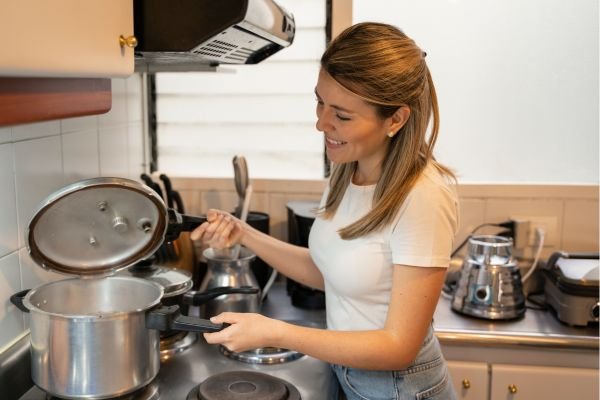
Before adding any ingredients, take a moment to inspect the cooker.
Make sure the sealing ring is clean and properly positioned. Check that the pressure valve is not blocked and that the lid can close securely. Look for cracks, damaged handles, or other signs of wear.
A quick inspection can prevent problems during cooking. If any important safety component appears damaged, replace it before using the appliance.
Add Enough Cooking Liquid
Liquid is essential because the cooker needs steam to build pressure.
Depending on your recipe and model, you may use water, stock, broth, or another suitable cooking liquid. Follow the minimum liquid amount recommended by the manufacturer.
Avoid filling the cooker too much. Many pressure cookers have maximum-fill markings inside the pot. Foods that expand, such as beans and grains, usually require even more space.
Leaving enough room allows steam to circulate properly and reduces the chance of food blocking the pressure-release system.
Prepare and Add Your Ingredients
Cut ingredients into reasonably similar sizes so they cook more evenly. For example, if you are cooking potatoes, pieces of roughly the same size will generally finish at about the same time.
Place the ingredients and liquid inside the cooking pot. Avoid adding more food than the recommended maximum level.
If you are cooking meat, you can brown it first if your cooker allows this. Browning can add extra flavor, although it is not always necessary.
Close the Lid Correctly
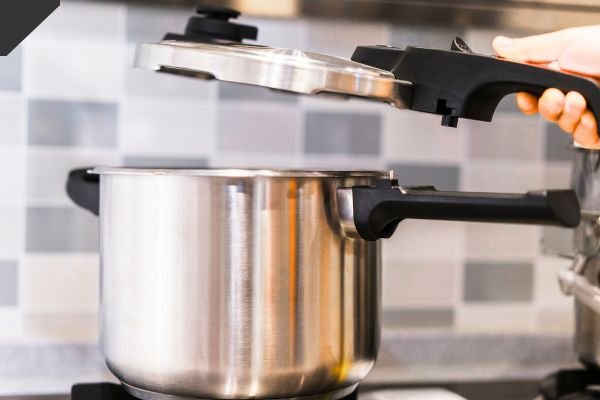
Place the lid on the cooker according to the manufacturer’s instructions. Make sure it locks into position before heating.
The lid should feel secure rather than loose. On many models, a locking indicator shows when the lid is correctly closed.
Never try to force the lid shut or modify the locking mechanism. A properly sealed lid is one of the most important parts of safe pressure cooking.
Set the Pressure and Start Cooking
For a stovetop model, place the cooker over the appropriate heat and allow pressure to build. For an electric model, select the cooking program and pressure level required by your recipe.
Once the cooker reaches the correct pressure, cooking time begins. This is important because recipes generally refer to the time spent cooking under pressure, not the time required for the cooker to reach pressure.
After pressure has been reached, adjust the heat on a stovetop cooker as needed to maintain the recommended pressure.
genui{“pressure_hydraulics_buoyancy_learning_block_staging”:{“type_id”:”PRESSURE”}}
Follow the Recipe’s Cooking Time
Different foods require different cooking times. Vegetables may need only a few minutes, while tougher cuts of meat or dried beans can require considerably longer.
Do not assume that longer cooking will always produce better results. Delicate foods can become mushy when overcooked.
When trying a new recipe, use a reliable cooking time as a starting point and adjust it in future attempts based on your preferred texture and the particular cooker you own.
Choose the Right Pressure-Release Method
When cooking is finished, pressure must be released before the lid can be opened.
There are two common methods.
Natural Release
With a natural release, you turn off the heat or let the electric cooker finish and allow the pressure to decrease on its own. This method is useful for foods such as meat, beans, and stews because the gradual pressure reduction can help prevent splattering.
Quick Release
A quick release removes pressure more rapidly using the pressure-release control. This can be useful when cooking vegetables or other foods where you want to avoid continued cooking.
Always follow your cooker’s instructions when releasing pressure. Keep your hands and face away from escaping steam.
Never Force the Lid Open
One of the most important safety rules is simple: never force a pressure cooker lid open.
If the cooker is still under pressure, the lid should remain locked. Wait until the pressure indicator shows that pressure has been completely released and follow your model’s instructions before opening it.
Hot steam can cause serious burns, so keep your face and hands away from the release area.
If the lid does not open normally after pressure has been fully released, consult the manufacturer’s instructions rather than forcing it.
Open the Cooker Safely
Once pressure has completely disappeared, open the lid carefully.
Tilt the lid away from your face so that any remaining hot steam moves away from you. Remember that the food and cooking liquid inside can still be extremely hot.
Use suitable kitchen tools when removing food, particularly if the ingredients are heavy or the cooking pot is hot.
Clean the Pressure Cooker After Use
Cleaning your cooker after every use helps keep it working properly.
Wash the removable pot according to the manufacturer’s recommendations. Clean the sealing ring and inspect the pressure valve for food particles.
Some parts may be dishwasher-safe, while others should be washed by hand. Check your manual before putting components in a dishwasher.
Allow washable parts to dry properly before storing them.
Common Mistakes to Avoid
Beginners often make a few simple mistakes when learning to use a pressure cooker.
One common mistake is adding too little liquid. Another is overfilling the pot. Both can affect cooking performance.
Other mistakes include failing to check the sealing ring, opening the cooker before pressure has completely disappeared, and using incorrect cooking times.
Avoid guessing when it comes to safety. Your cooker’s instruction manual should always take priority over general advice.
Foods That Work Well in a Pressure Cooker
A pressure cooker is particularly useful for foods that normally require long cooking times.
Good choices include:
- Dried beans and lentils
- Beef and other tougher cuts of meat
- Chicken
- Potatoes and root vegetables
- Soups and stews
- Rice and grains
- Some whole grains
Soft vegetables and delicate ingredients may require shorter cooking times. Adding them later in the cooking process can help preserve their texture.
Tips for Better Results
A few simple habits can make pressure cooking easier.
Prepare all ingredients before turning on the cooker. This keeps the process organized and reduces the temptation to rush.
Use the correct amount of liquid and avoid exceeding the recommended fill line. Keep the pressure-release area clean, and always allow enough time for the cooker to reach and release pressure.
It is also helpful to keep notes about cooking times for foods you prepare regularly. After a few meals, you will have a better idea of what works best in your particular cooker.
Final Thoughts
Learning how to use a pressure cooker does not have to be difficult. Once you understand how pressure builds, how to add liquid, how to close the lid, and how to release pressure safely, the process becomes much more straightforward.
Start with simple recipes such as lentils, potatoes, soup, or tender meat. Follow your manufacturer’s instructions carefully, especially when it comes to pressure levels, liquid requirements, filling limits, and pressure release.
With a little practice, a pressure cooker can become a useful everyday kitchen tool that saves both cooking time and effort.
This version is structured for SEO while keeping the keyword usage natural rather than repetitive.