
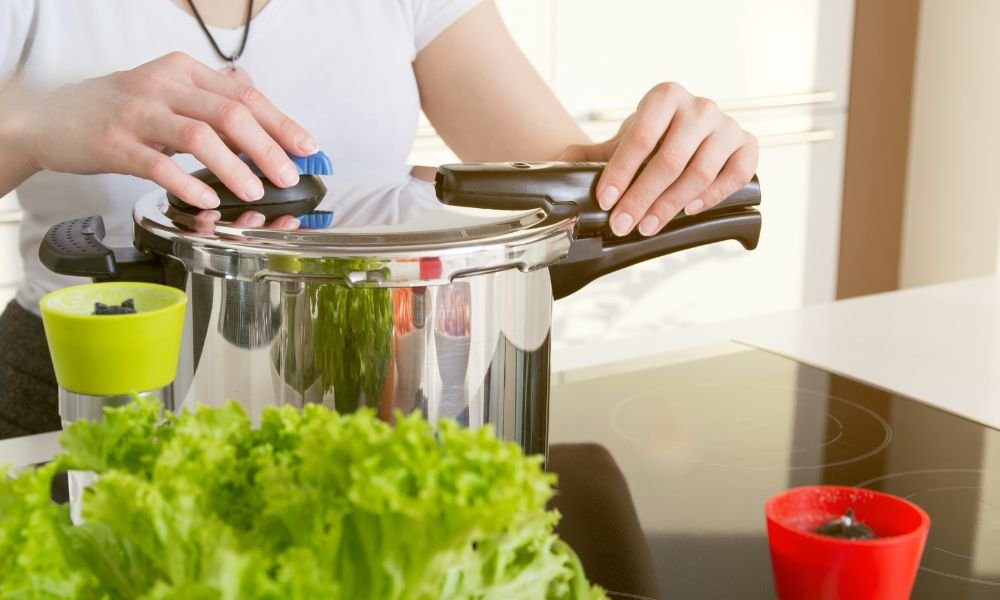
A pressure cooker is a useful kitchen appliance that can make many meals faster and easier to prepare. It cooks food inside a sealed pot, allowing steam to build pressure and raise the cooking temperature. As a result, ingredients that normally take a long time to soften can cook much more quickly.From tender meat and beans to soups and hearty grains, this appliance can handle a wide range of everyday dishes. Understanding what it can do helps you get better results and use it safely.
How Does a Pressure Cooker Work?
A pressure cooker uses steam and pressure to cook food. When the lid seals, steam becomes trapped inside the pot. The pressure increases, which raises the temperature above the normal boiling point of water.
The higher temperature helps food cook faster than it would in an uncovered pot. Modern models usually include safety features that regulate pressure and prevent the lid from opening while the pot remains pressurized.
Cooking Meat Until Tender
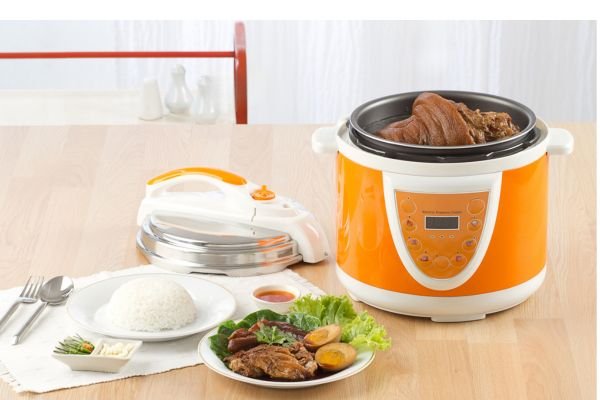
One of the most useful applications is cooking tough cuts of meat. Beef, lamb, pork, and poultry can become tender in a relatively short time.Cuts that usually require slow cooking can benefit from the moist, pressurized environment. You can prepare stews, curries, pulled meat, and other dishes without waiting for hours.
Browning the meat first can also add deeper flavor before the pressure-cooking stage begins.
Preparing Beans and Lentils
Dry beans and lentils can take considerable time to cook on the stovetop. A pressure cooker can shorten that process considerably.It works well for chickpeas, kidney beans, black beans, split peas, and many types of lentils. The appliance also helps soften legumes evenly when enough cooking liquid is used.
Because some beans expand during cooking, avoid filling the pot beyond the manufacturer’s recommended level.
Making Soups and Stews
Soups and stews are excellent choices because they often contain ingredients that need different amounts of cooking time.A pressure cooker can combine vegetables, meat, beans, broth, and seasonings into a flavorful meal in one pot. Ingredients become tender while the cooking liquid remains contained, helping preserve flavor.It is especially convenient when you want a warm, filling meal without spending a long time beside the stove.
Cooking Rice and Grains
Many pressure cookers can prepare rice and other grains efficiently. Depending on the model and recipe, you may be able to cook white rice, brown rice, barley, quinoa, and similar foods.The correct amount of liquid is important because grains absorb water as they cook. Always follow the recommended ratios for your particular appliance and ingredient.
Preparing Vegetables
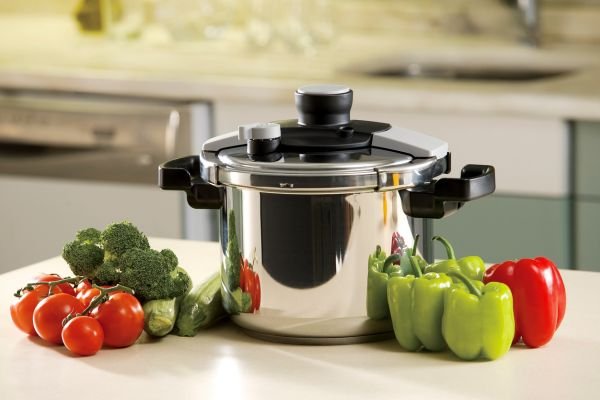
A pressure cooker can cook vegetables quickly, particularly firm varieties such as potatoes, carrots, beets, and squash.The short cooking time can make meal preparation easier when you are working with several dishes. However, delicate vegetables can become soft very quickly, so they may require less cooking time or a different cooking method.
Using a steamer basket can also help keep vegetables above the cooking liquid.
Cooking Potatoes
Potatoes are another convenient food to prepare. You can cook whole potatoes, potato pieces, or potatoes intended for mashing.Pressure cooking can soften them quickly while keeping the process simple. After cooking, you can use the potatoes for mashed potatoes, salads, soups, or other recipes.
The size of the pieces affects cooking time, so try to keep pieces reasonably similar.
Making Homemade Broth and Stock
A pressure cooker can be particularly helpful for making broth and stock from bones, vegetables, herbs, and water.Traditional stock preparation may require several hours of simmering. Pressure cooking can reduce the cooking time while extracting flavor from the ingredients.
Once finished, strain the liquid and use it as a base for soups, sauces, rice dishes, and stews.
Cooking Curries and One-Pot Meals
Curries often contain meat, beans, potatoes, and other ingredients that benefit from longer cooking. A pressure cooker can bring these components together efficiently.You can sauté aromatics and spices first, then add the remaining ingredients and cook them under pressure. This approach can reduce the number of pots needed and make cleanup easier.
Always ensure that the recipe contains enough appropriate liquid for pressure cooking.
Preparing Tough Grains and Legumes
Some grains and legumes require lengthy cooking because their outer layers take time to soften. Pressure cooking can make these ingredients more practical for everyday meals.Foods such as chickpeas, dried peas, and certain whole grains can become tender without prolonged simmering. Soaking may still be useful for some ingredients, depending on the recipe and the appliance instructions.
Foods That Need Extra Care
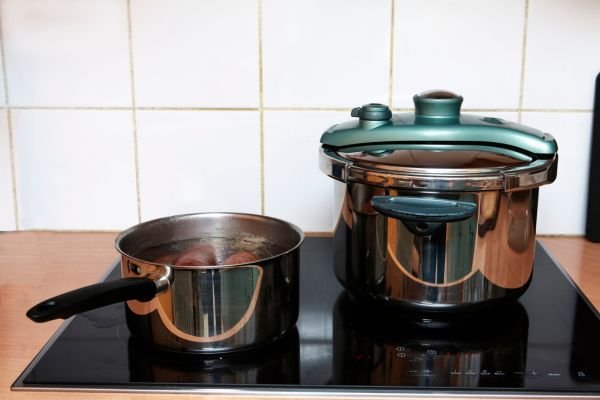
Although a pressure cooker is versatile, it is not suitable for every food. Very delicate ingredients can become mushy, while foods that create a lot of foam may cause problems if the pot is overfilled.Deep-frying should not be attempted in a standard pressure cooker. Also, avoid using ingredients or cooking methods that your appliance manufacturer specifically prohibits.
Reading the instruction manual before trying unfamiliar recipes is always a sensible step.
Tips for Better Results
Good results depend on more than simply adding ingredients and turning on the appliance. Use the amount of liquid recommended by the recipe and never exceed the maximum fill line.Cut ingredients into reasonably similar sizes so they cook more evenly. For meat-based dishes, browning the meat before pressure cooking can improve flavor.
Allow the appliance to release pressure according to the recipe and manufacturer’s instructions. Never force the lid open while pressure remains inside.
Why Use a Pressure Cooker?
A pressure cooker is a practical kitchen tool that can make everyday cooking faster and more convenient. It uses trapped steam and pressure to raise the cooking temperature, helping foods such as beans, lentils, meat, potatoes, soups, and stews cook in less time. For anyone learning How to Use a Pressure Cooker, understanding these benefits can make the appliance easier to appreciate. It can also help save cooking time and reduce the effort needed to prepare meals. With the right amount of liquid, proper filling, and safe pressure-release methods, a pressure cooker can be a useful choice for preparing flavorful meals efficiently.
Final Thoughts
So, what is a pressure cooker used for? It is mainly used to cook foods quickly by using steam and pressure. It works especially well for meat, beans, lentils, soups, stews, grains, potatoes, vegetables, broth, and hearty one-pot meals.
The best results come from choosing suitable ingredients, using the correct amount of liquid, respecting the fill limit, and following the manufacturer’s safety instructions. With proper use, a pressure cooker can make many everyday meals faster and more convenient.